A bounced cheque is not just an embarrassment — it is a criminal offence. Section 138 of the Negotiable Instruments Act, 1881 gives the person who received the bad cheque…
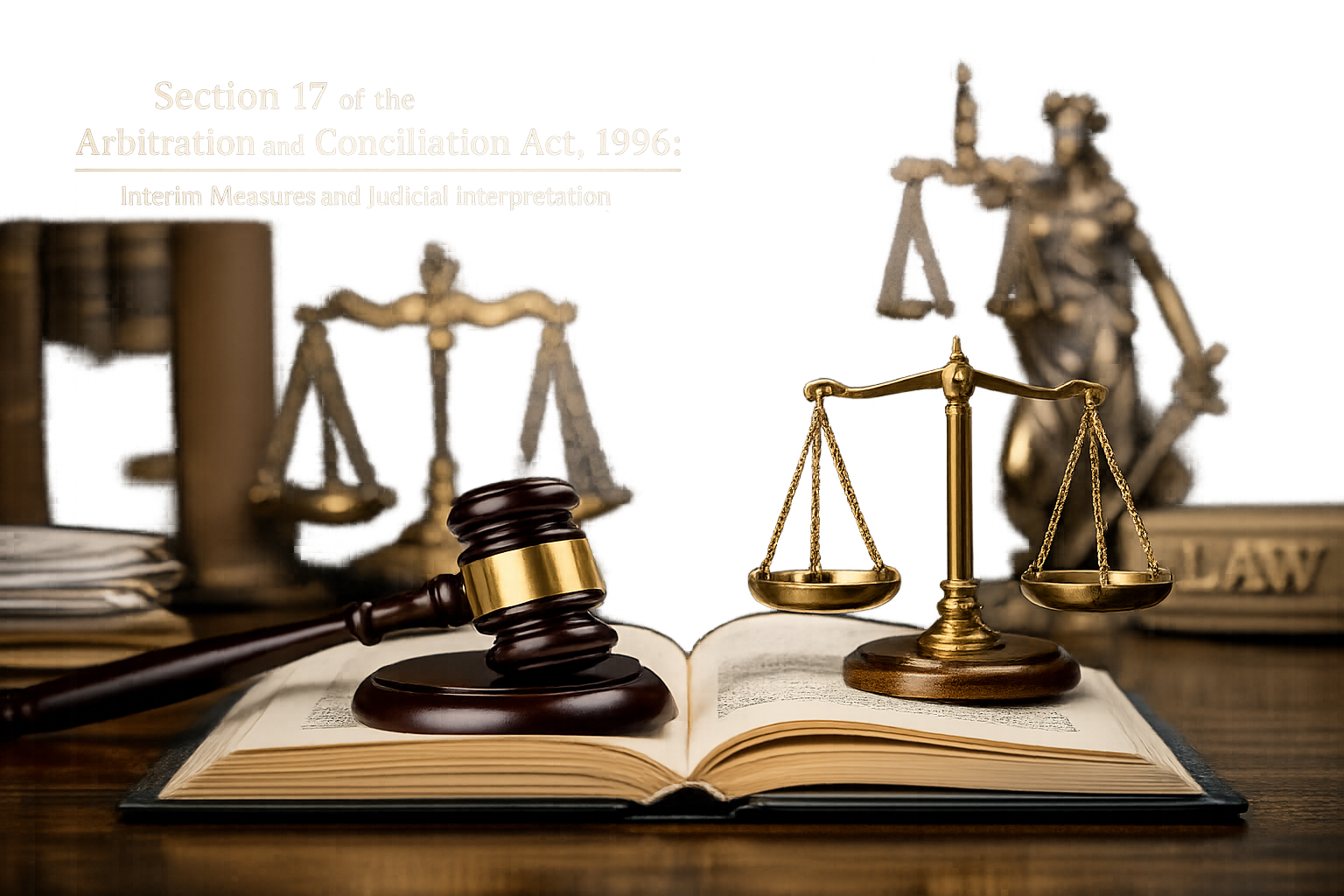
Introduction Arbitration has become the preferred mode of dispute resolution in India, offering speed and flexibility compared to traditional litigation. A cornerstone of this system is Section 17 of the…
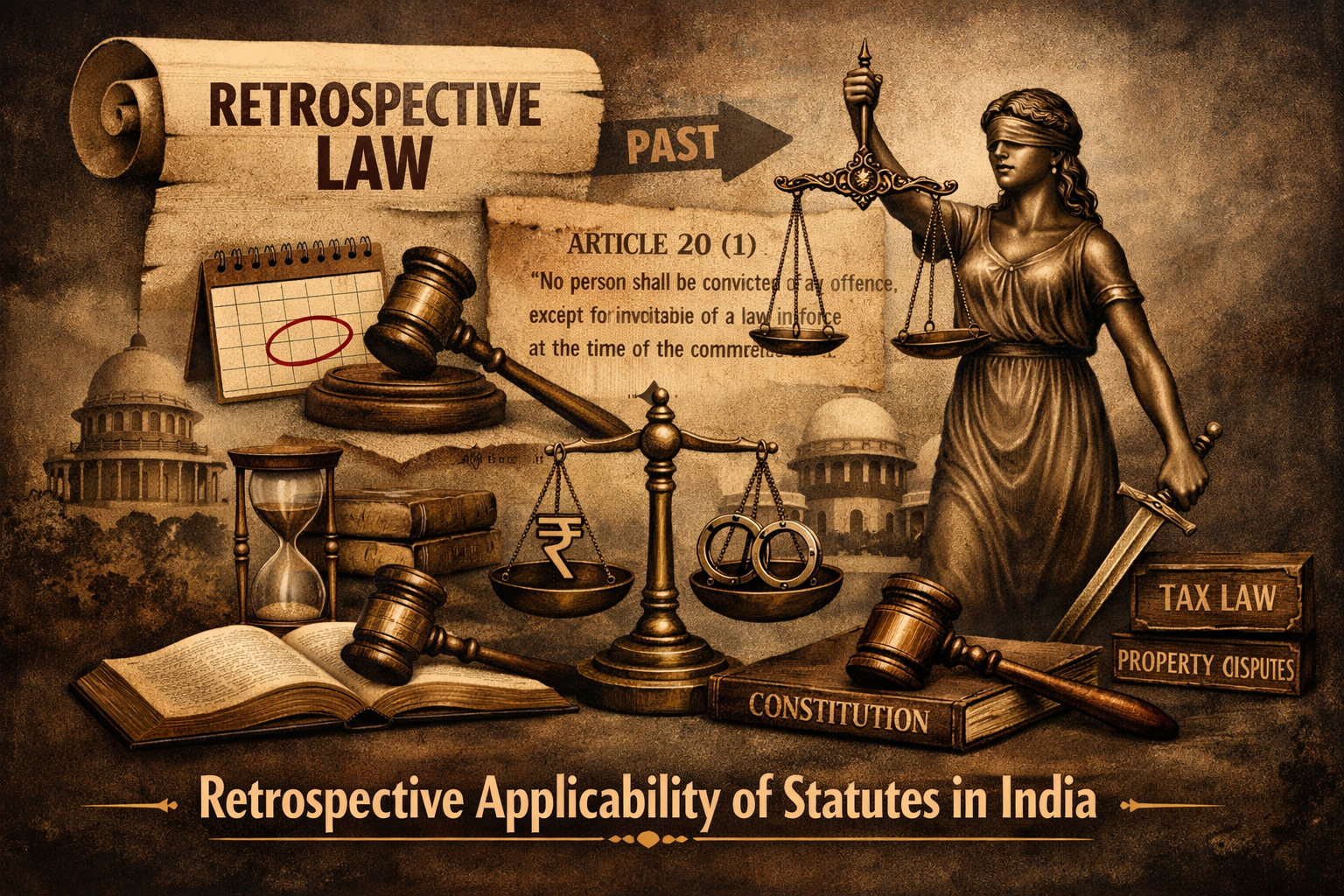
Introduction The retrospective applicability of statutes is one of the most debated doctrines in Indian jurisprudence. It raises fundamental questions about fairness, predictability, and the balance between legislative power and…
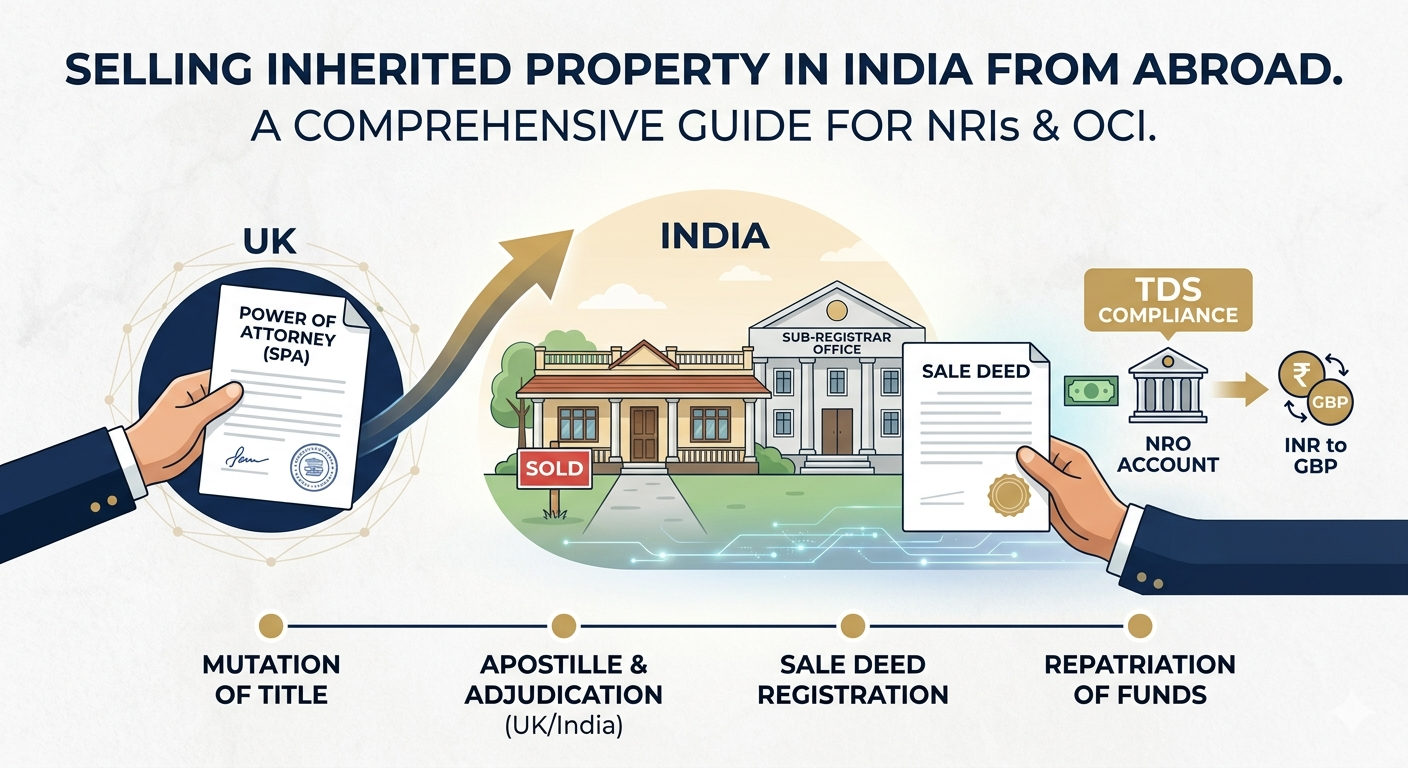
Inheriting property in India while living overseas sounds complicated — and honestly, it can be. But Indian law has a clear, structured path that lets you sell legally and move…
Understanding “Loss of Consortium” in Indian Law Loss of consortium reminds us that the law isn't just about math; it's about people. While no amount of money can replace a…
In the fast-paced world of Indian business, Arbitration is the gold standard for dispute resolution—offering speed and flexibility that traditional courts often can't match. While the Arbitration and Conciliation Act,…
In India, live-in relationships are no longer a "grey area." They are legal under Article 21 of the Constitution. However, the law distinguishes between a casual relationship and one that…
With the rise in smart home security, installing a CCTV camera in front of your house is now a common practice. However, while you have the right to protect your…
A Simple Guide to Registering a Will in India Making a Will is the best way to ensure your family stays protected and your properties are distributed exactly how you…
What is lease deed and know about its most important clauses to be included & procedure? Introduction: The laws pertaining to the transfer of property and/or the usage rights of…